
Industrial Refrigeration & Cooling Technology
Refrigeration technology for stable processes
and reliable production.
Refrigeration technology
for stable
processes and
reliable
production.
Process cooling, chillers, and systems engineering
for industrial applications.
Process cooling,
chillers, and
systems engineering for
industrial applications.
In industry, one thing matters above all: processes must run reliably. When machinery, production lines,
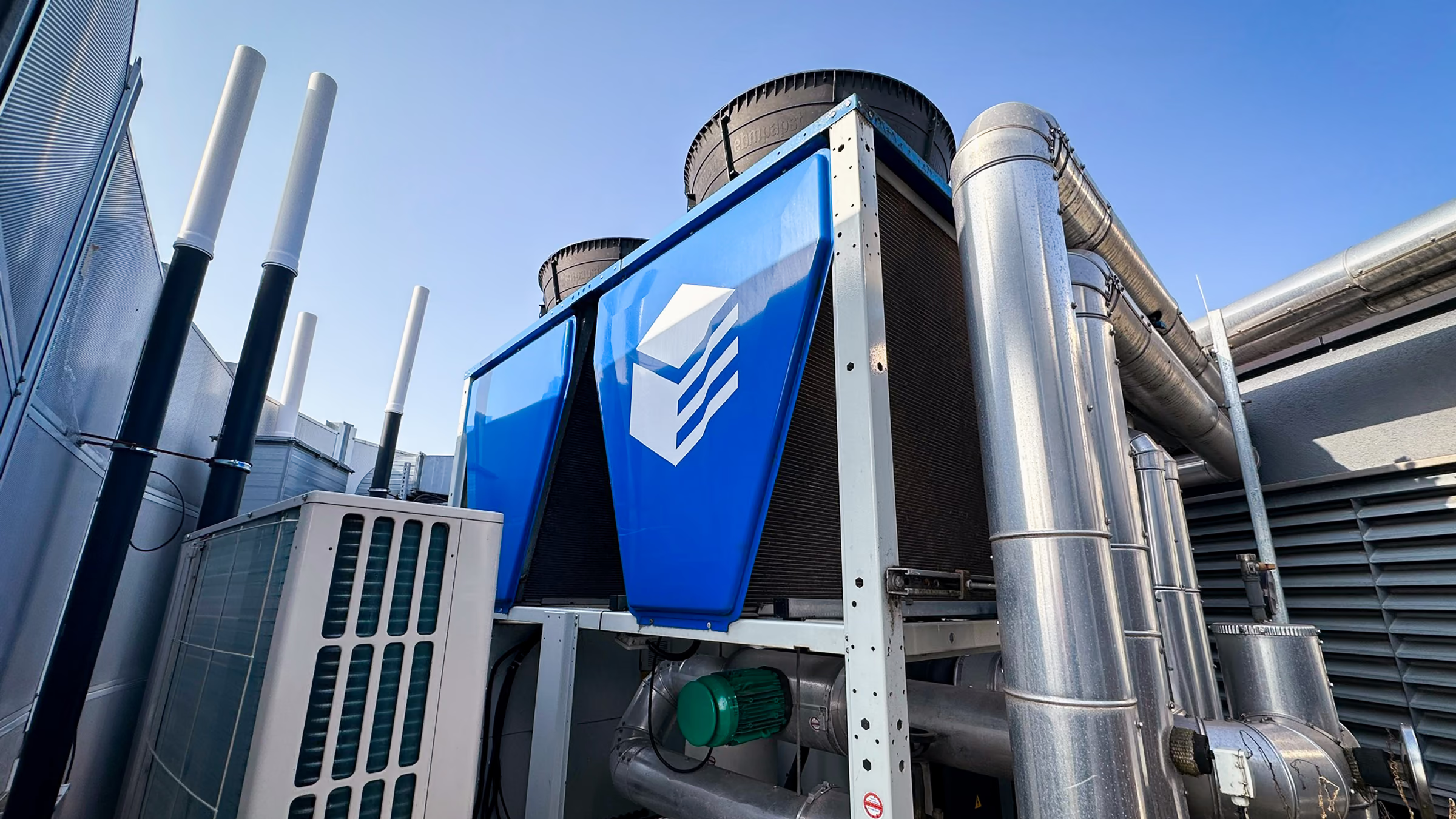
or entire manufacturing areas depend on stable cooling, you need refrigeration technology tailored to the application
that performs consistently during continuous operation.
Process Cooling for
Machinery and Production
Process Cooling for Machinery and Production
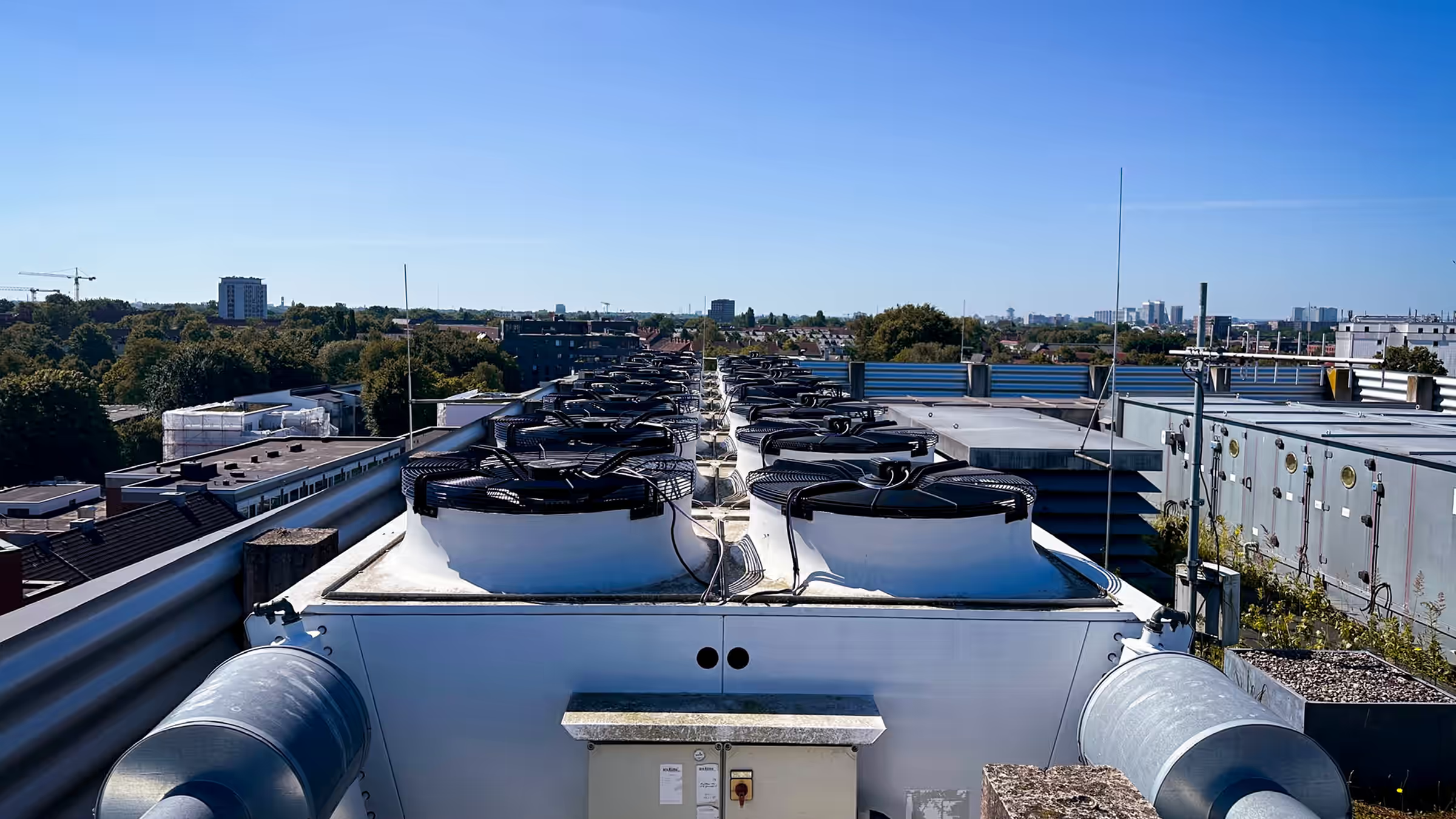
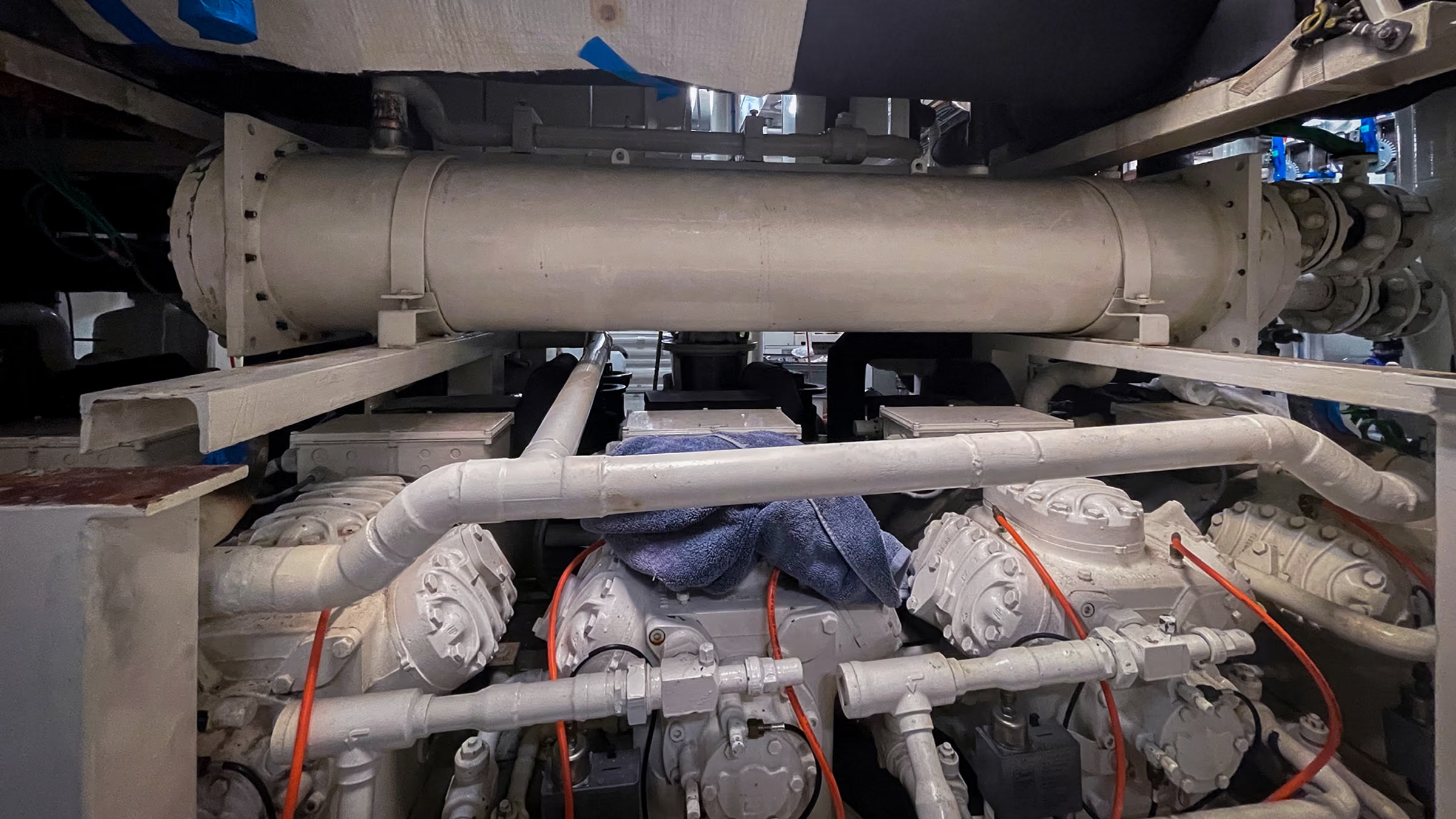
Whether it is a lathe, machining center, or complete production line: wherever heat is generated during the process, it must be dissipated in a controlled manner. Chillers and chilled water systems ensure that machines and processes operate within defined temperature ranges.
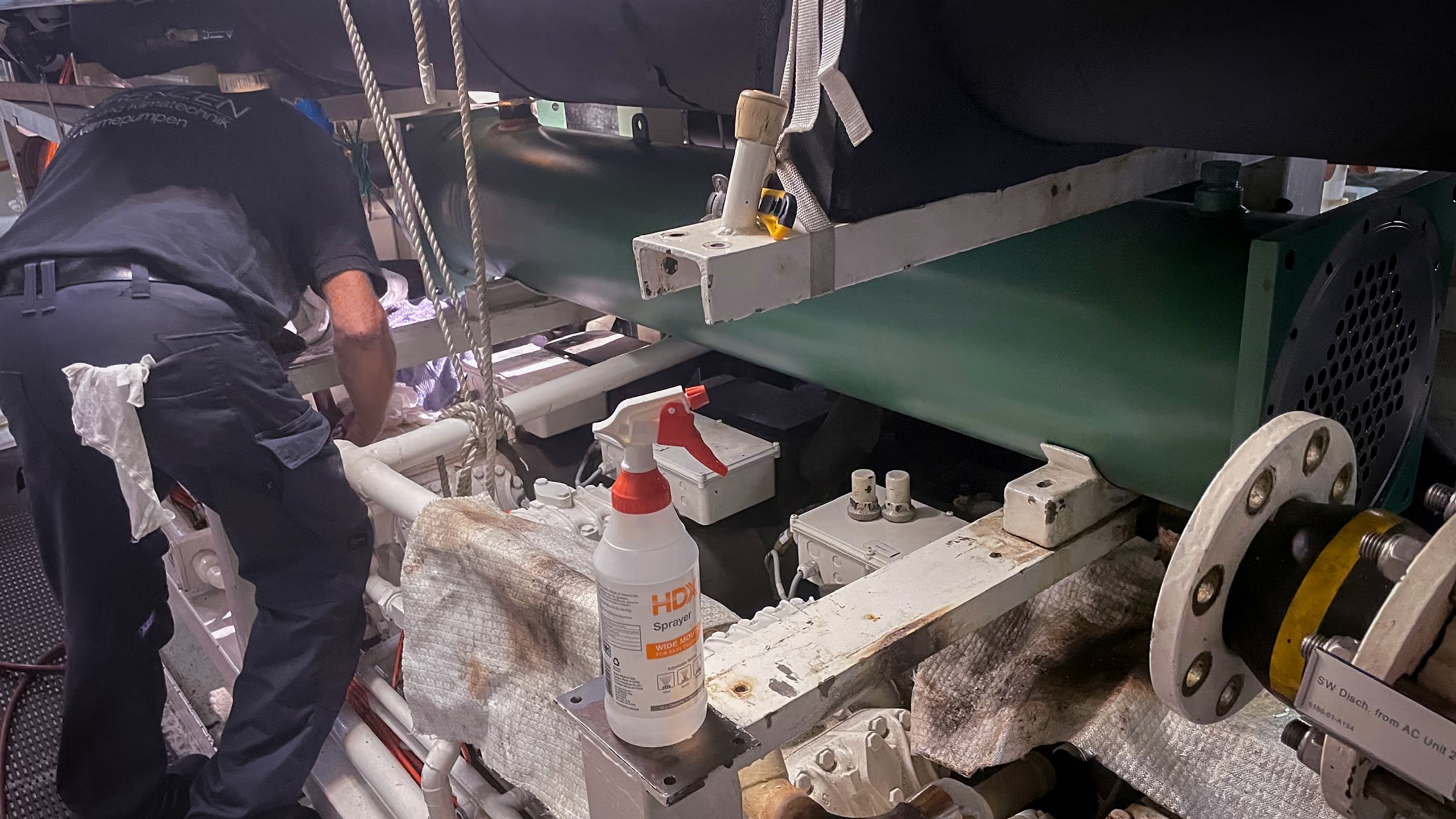
We provide maintenance, service, troubleshooting, and technical evaluations for these systems. What matters is not just whether the chiller itself is running, but whether the entire system reliably delivers the required cooling capacity precisely where it is needed.
Chillers and Chilled Water Systems in Industrial Use
Chillers and Chilled Water Systems in Industrial Use
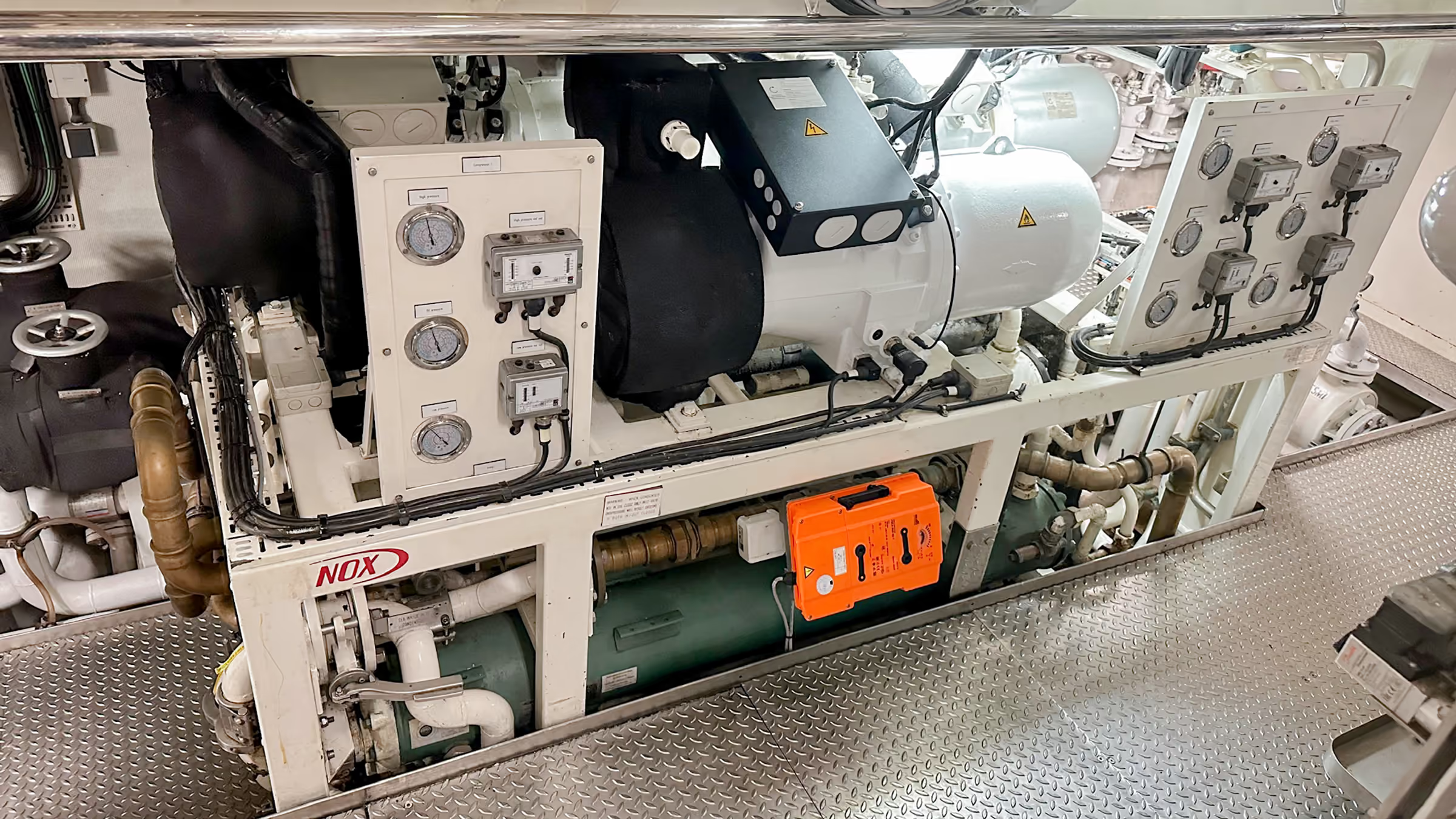
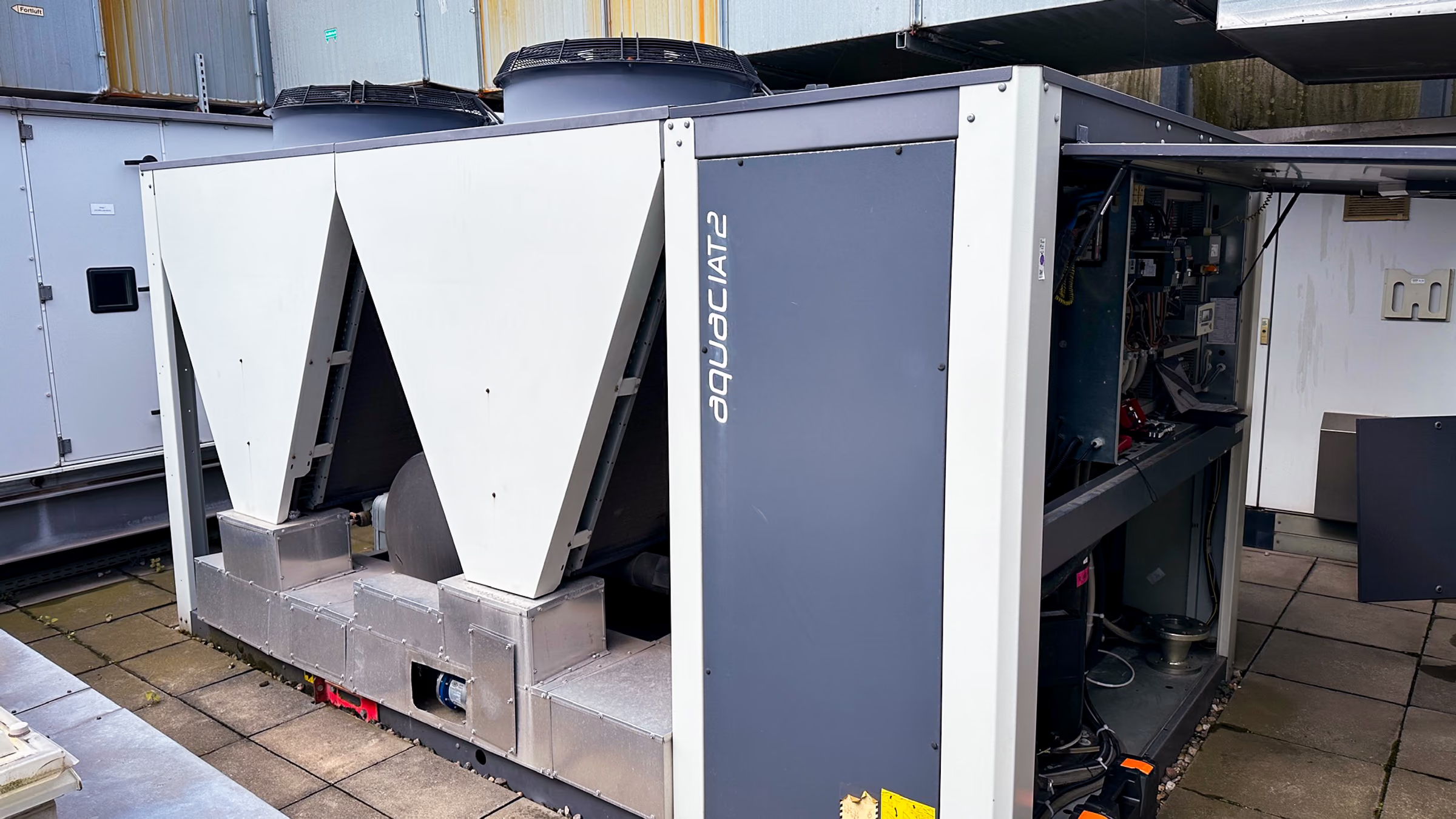
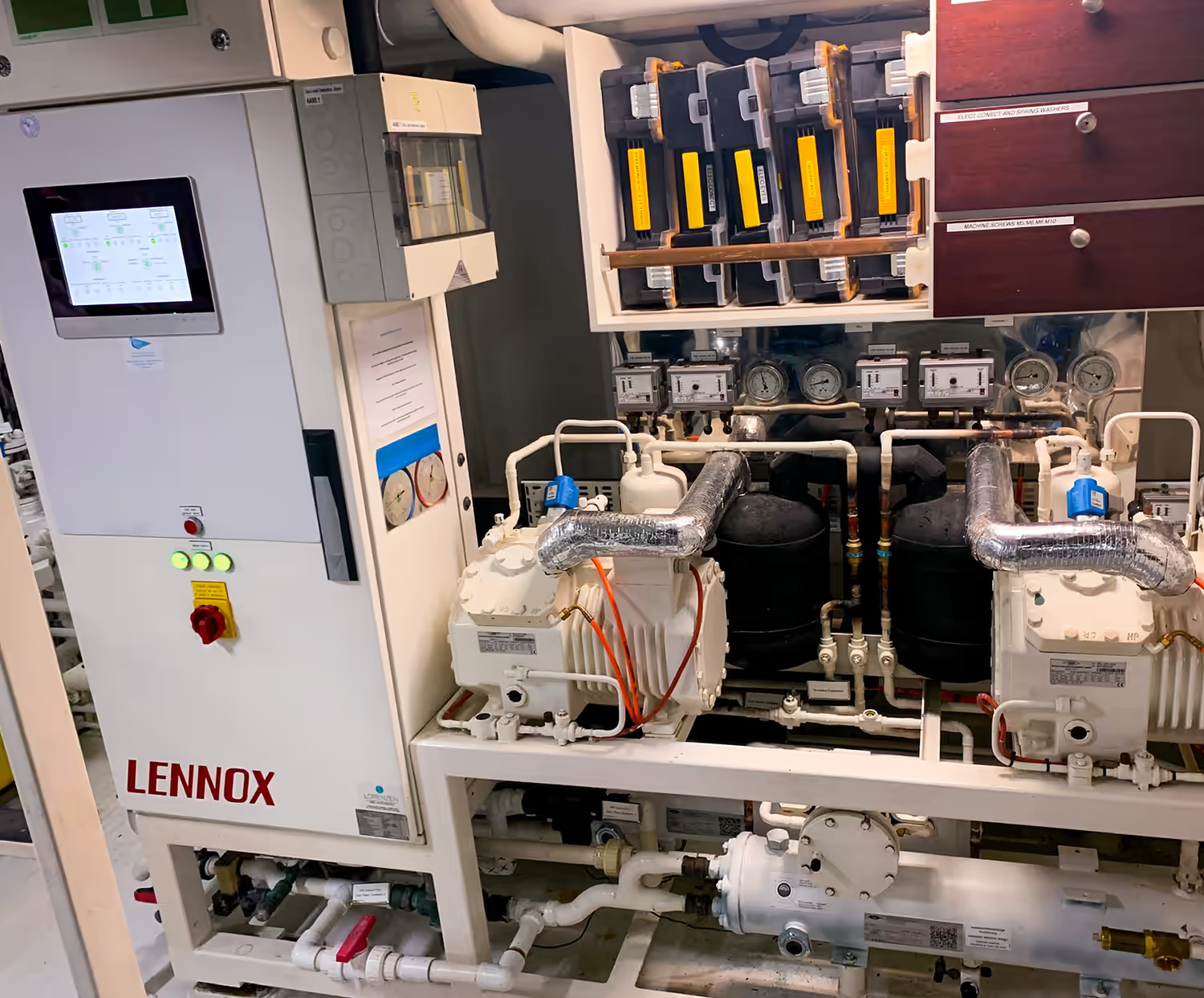
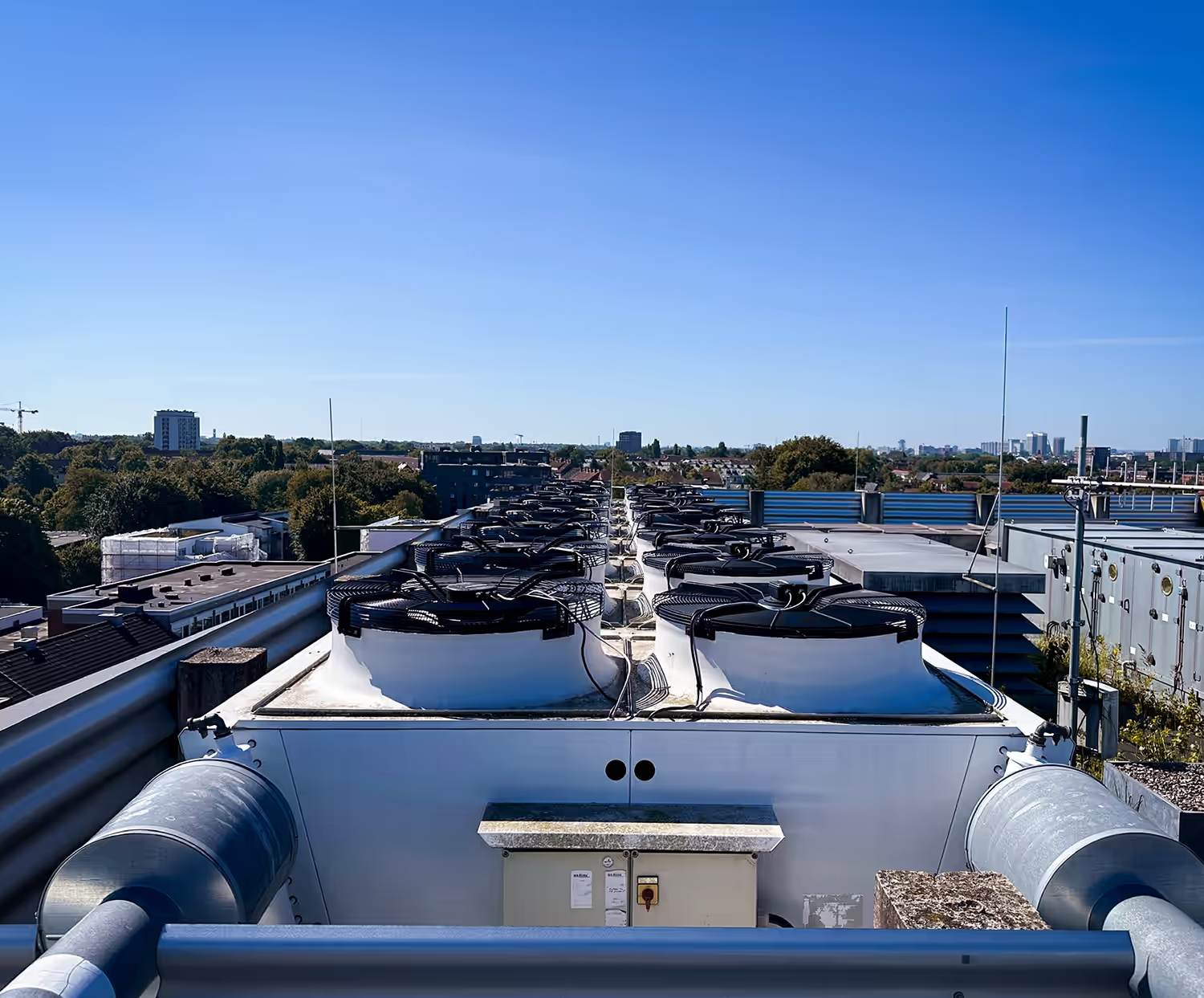
In many industrial applications, chillers serve as the central interface between refrigeration generation and the production process. They control the temperature of the chilled water, which is then routed via pumps and piping to machinery, heat exchangers, or other process loads.
We know these systems from hands-on field service and provide support during malfunctions, scheduled maintenance, and technical analyses. Our focus is never on quick, isolated fixes, but on understanding the true condition of the system and identifying the root cause right where it originates.
Keeping the Entire
Cooling System in View
Keeping the Entire Cooling System in View
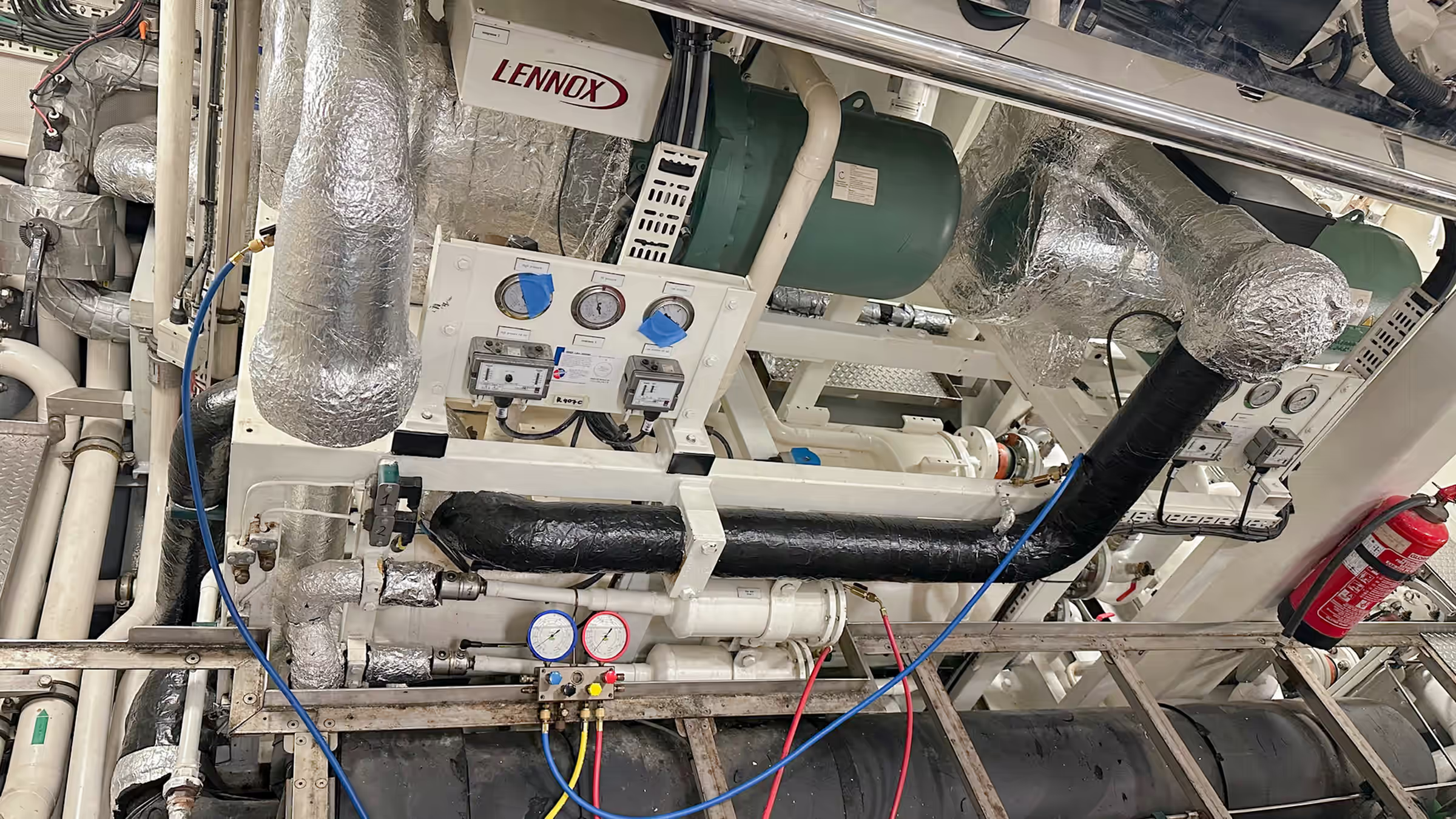
A chiller never works in isolation. Pumps, heat exchangers, piping, valves, controls, and actual process loads constantly interact. A fault in one location may stem from an issue elsewhere in the system.
This is precisely where our approach begins: we look beyond the standalone unit to examine the entire interconnected system. This enables more targeted troubleshooting, avoids unnecessary component replacements, and allows us to develop solutions that ensure the safe, reliable operation of the entire facility.
Service, Maintenance, and
Troubleshooting
Service, Maintenance, and Troubleshooting
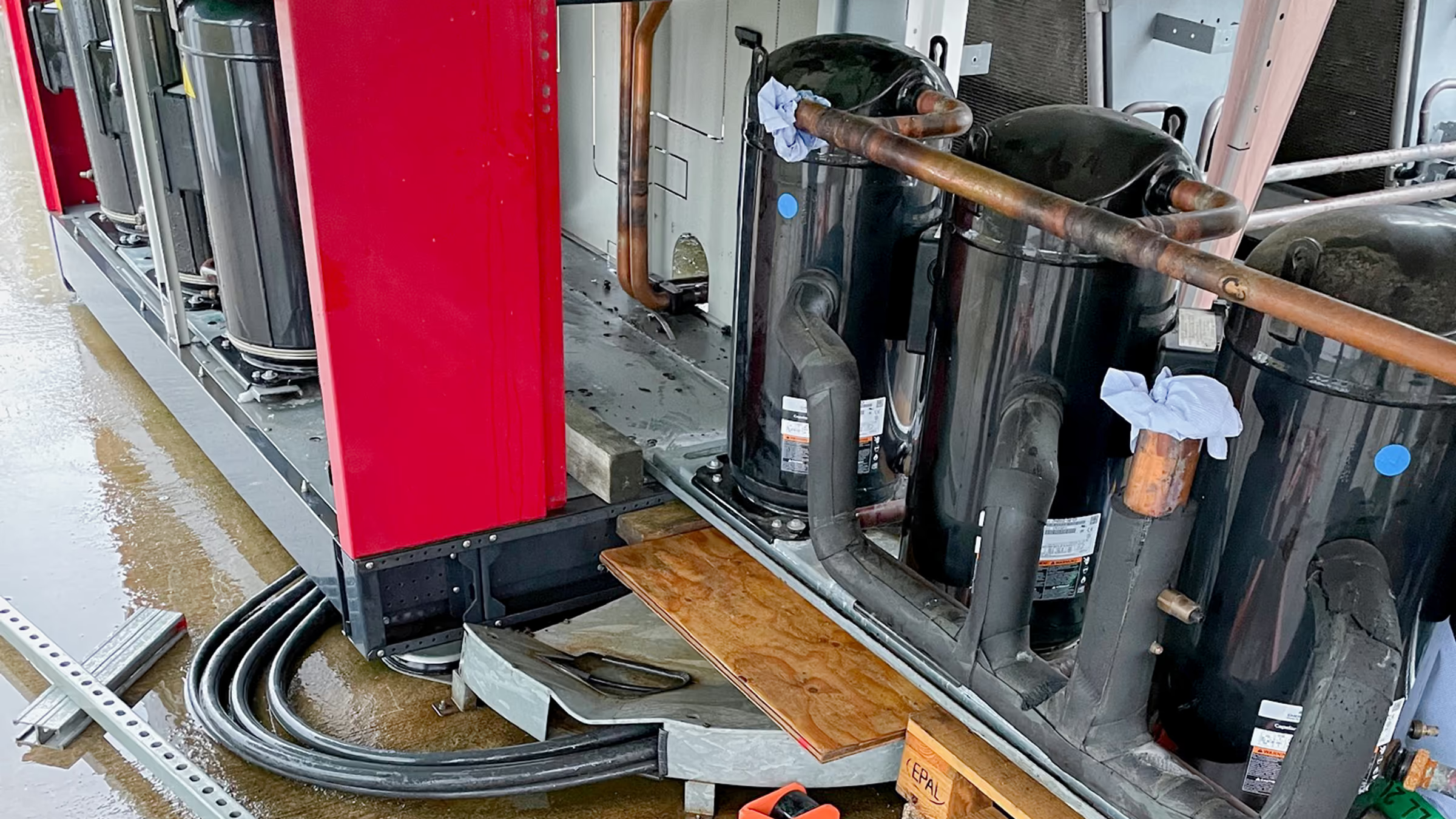
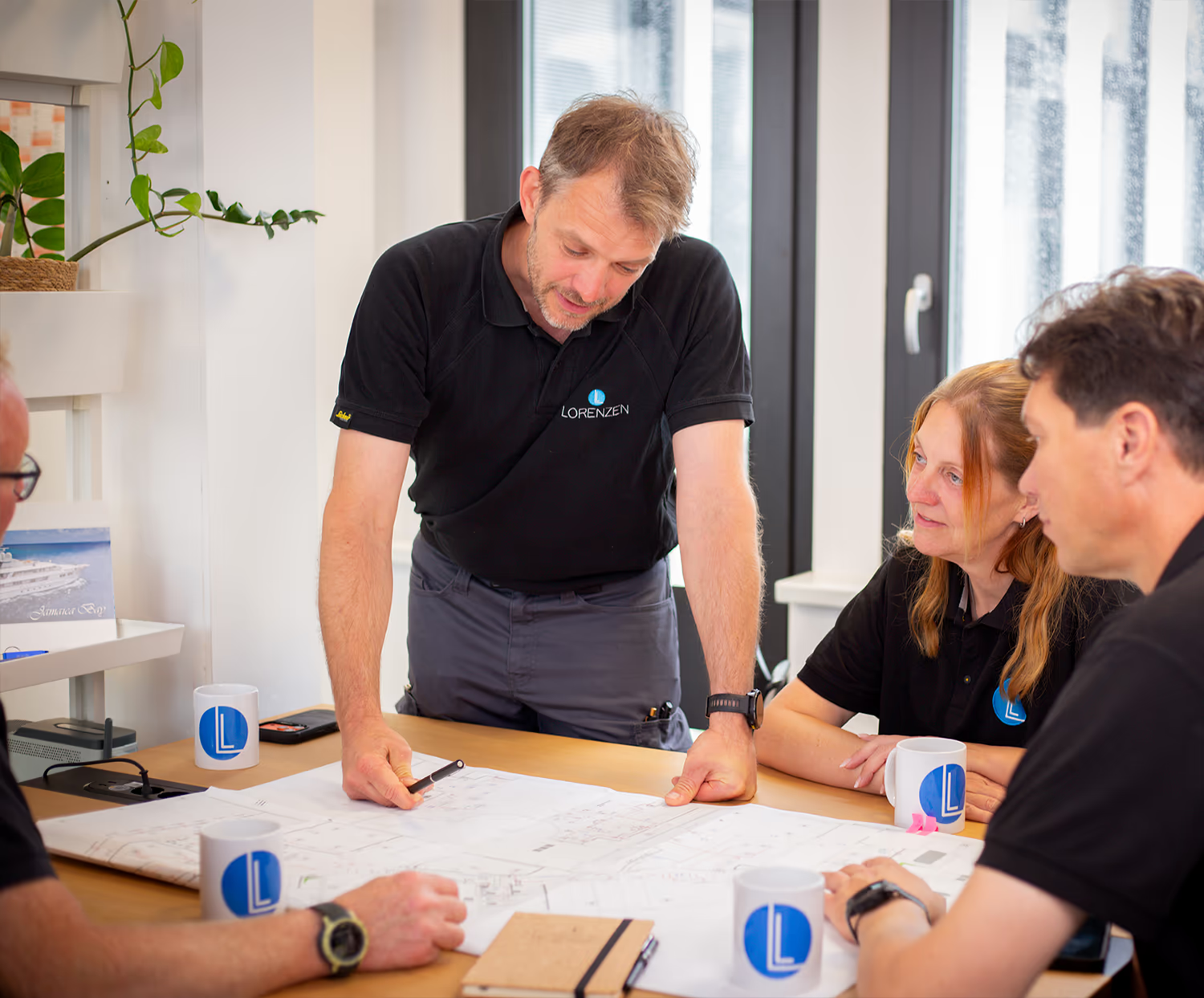
When industrial cooling systems fail or can no longer achieve their required capacity, structured troubleshooting is essential. We inspect installations, assess operating states, and track down root causes step by step—from the central chiller to individual hydraulic components.
Regular maintenance also helps detect anomalies early and improve operational reliability. Our goal is a technically sound, transparent solution tailored to your system and real-world production demands.
We think in complete systems,
not individual components.
We think in complete systems,
not individual components.
Pumps, Heat Exchangers,
and Piping Systems
Pumps, Heat Exchangers, and Piping Systems
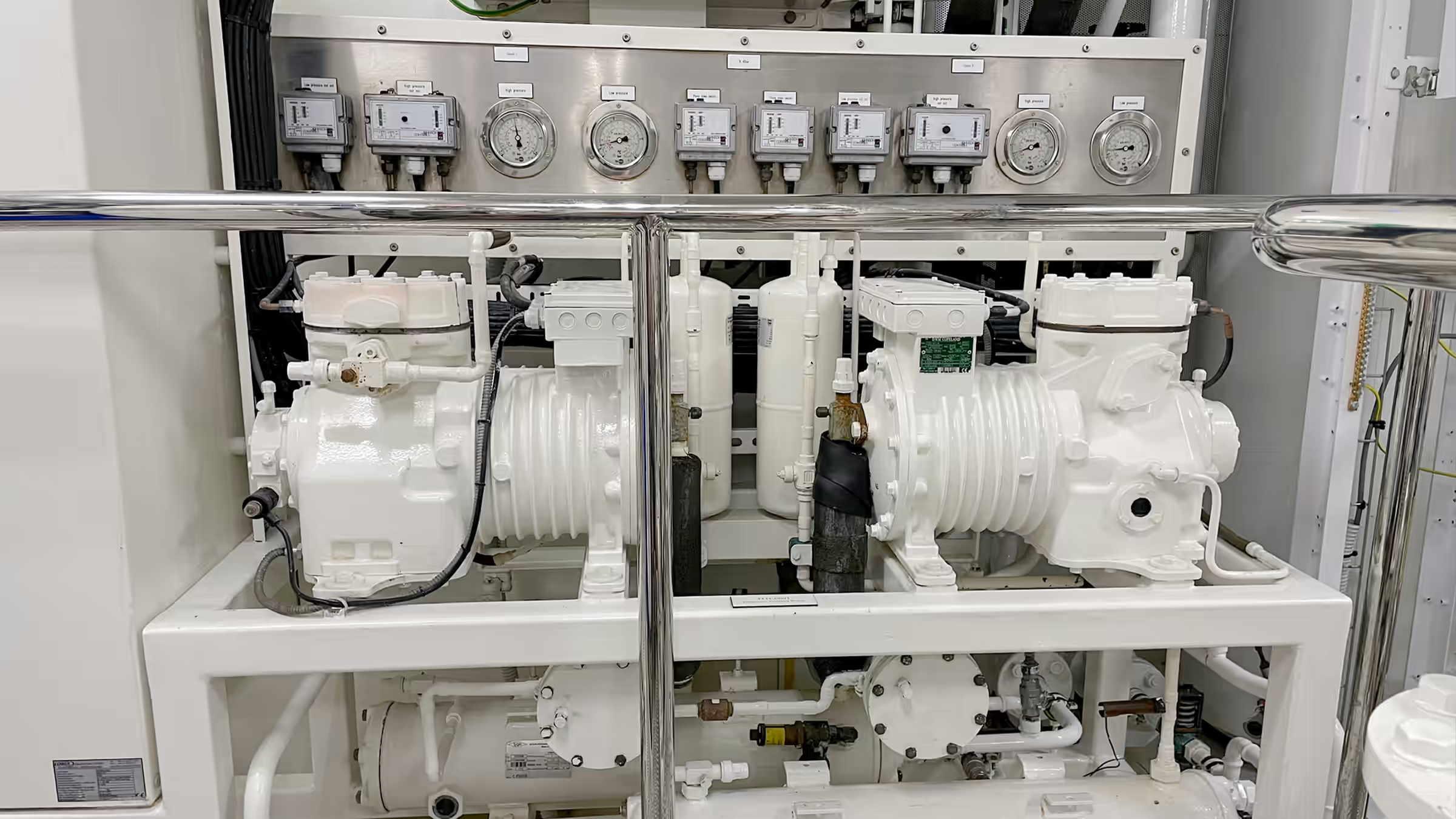
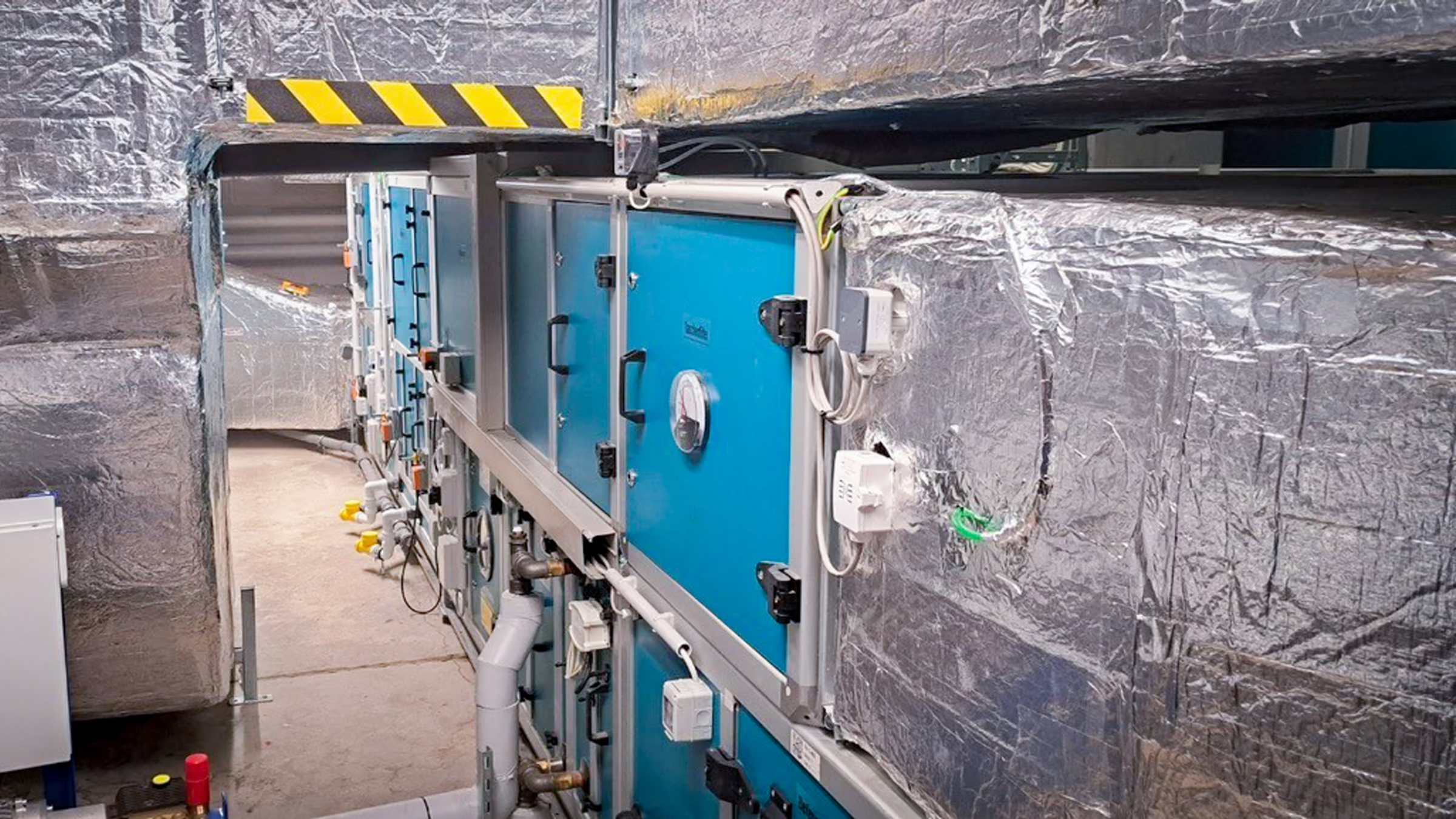
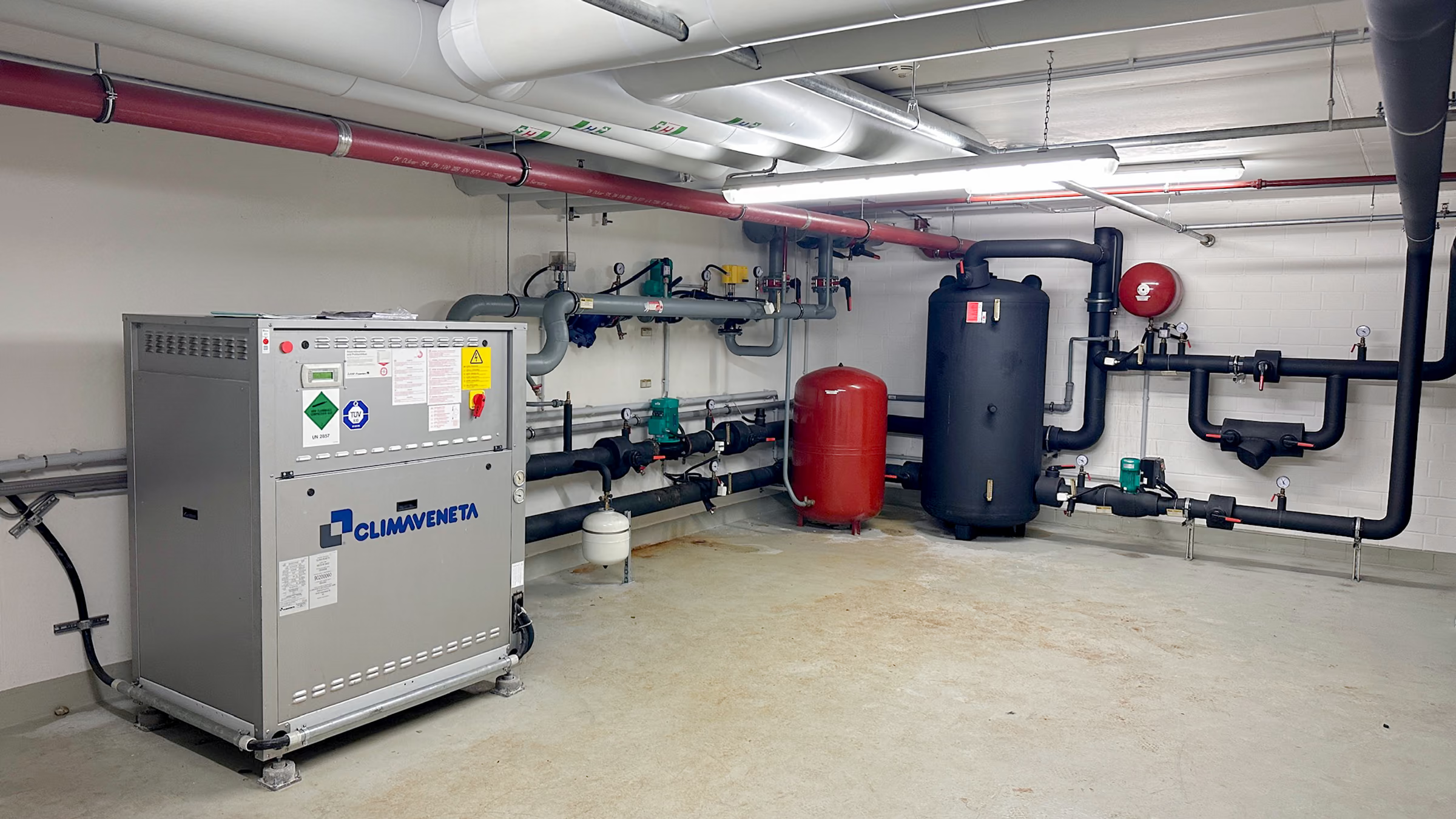
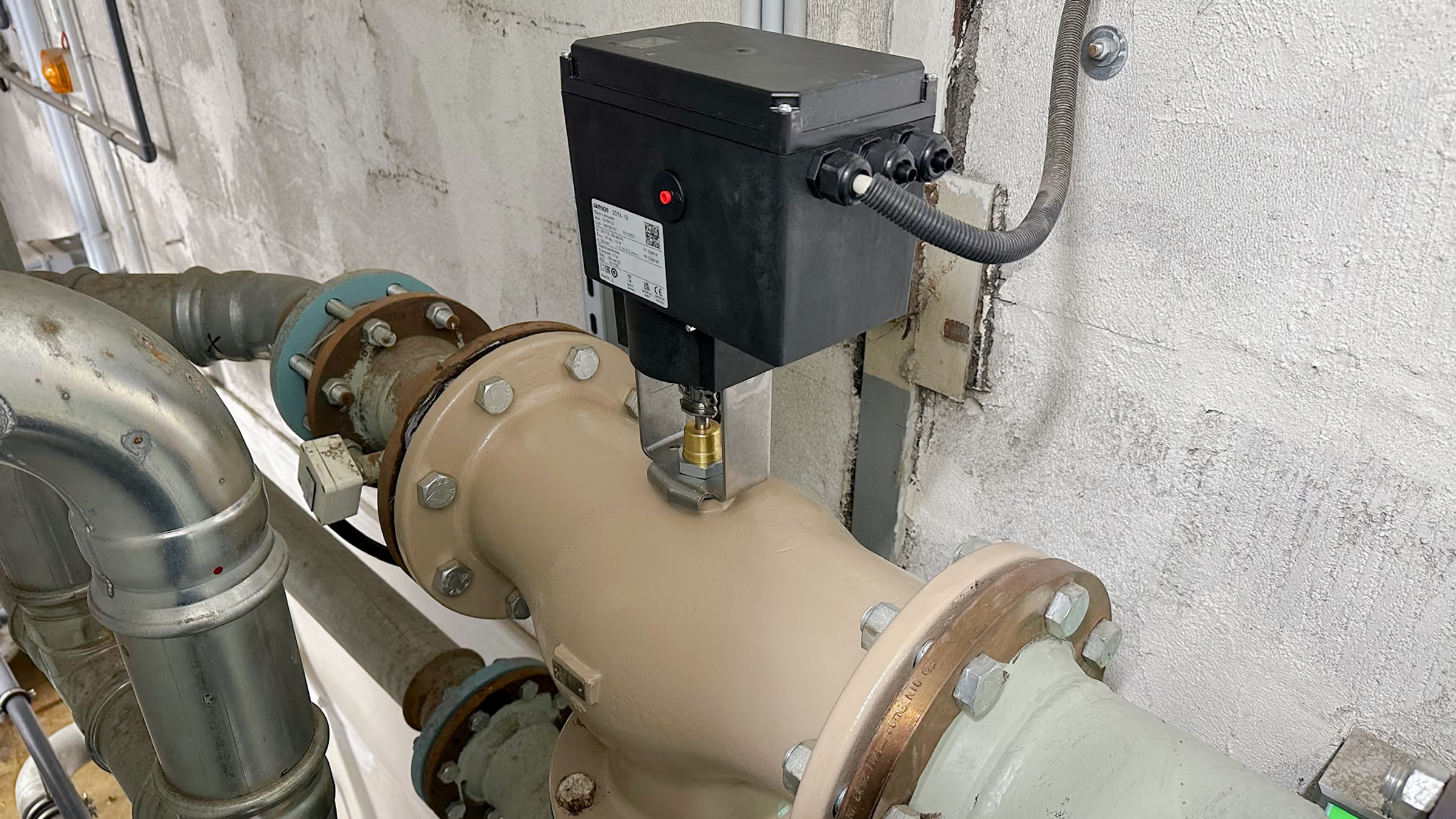
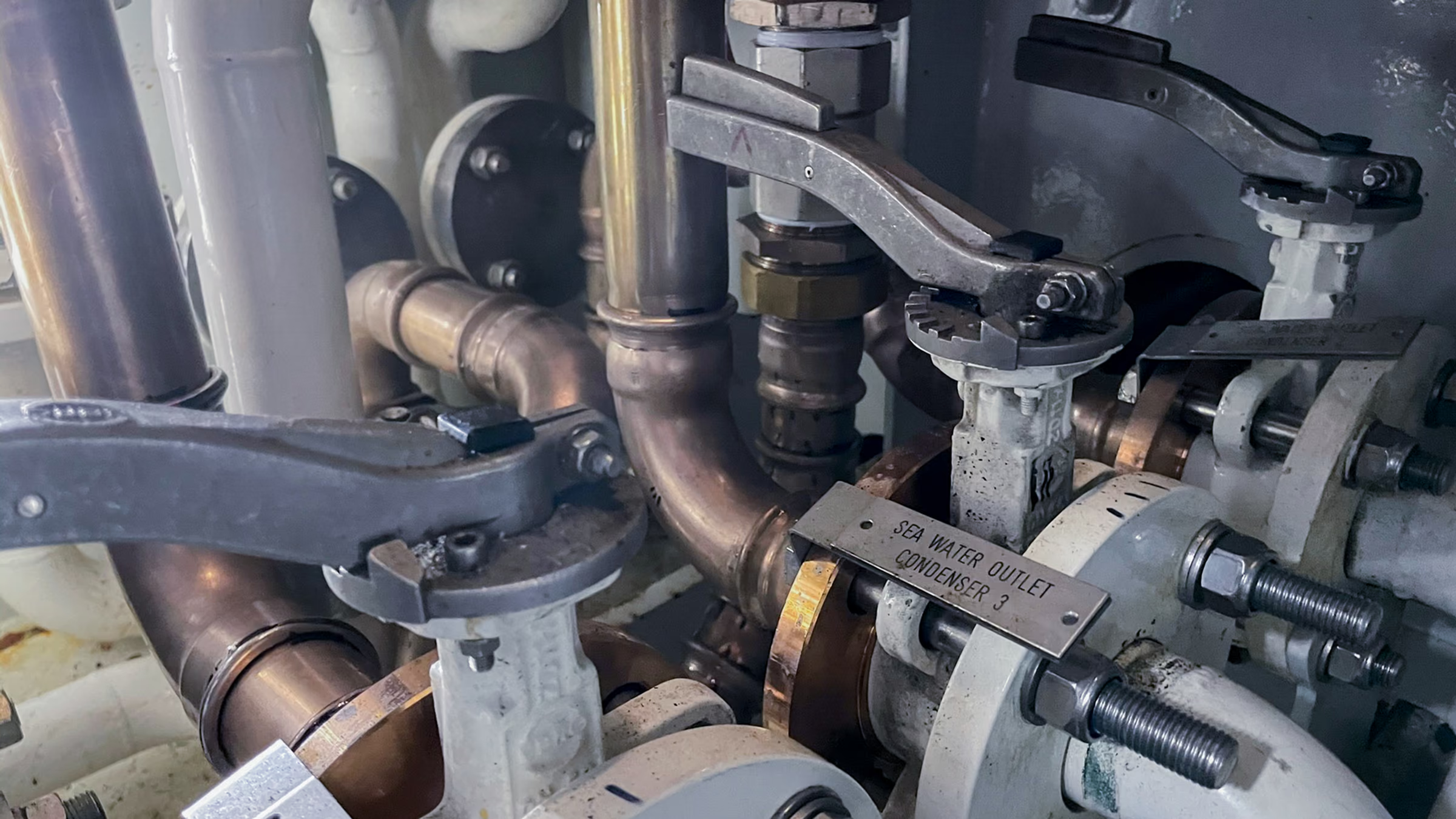
Chilling capacity is only one aspect of process cooling. For that cooling performance to reach machinery or production lines effectively, pumps, heat exchangers, piping networks, and control valves must work together seamlessly.
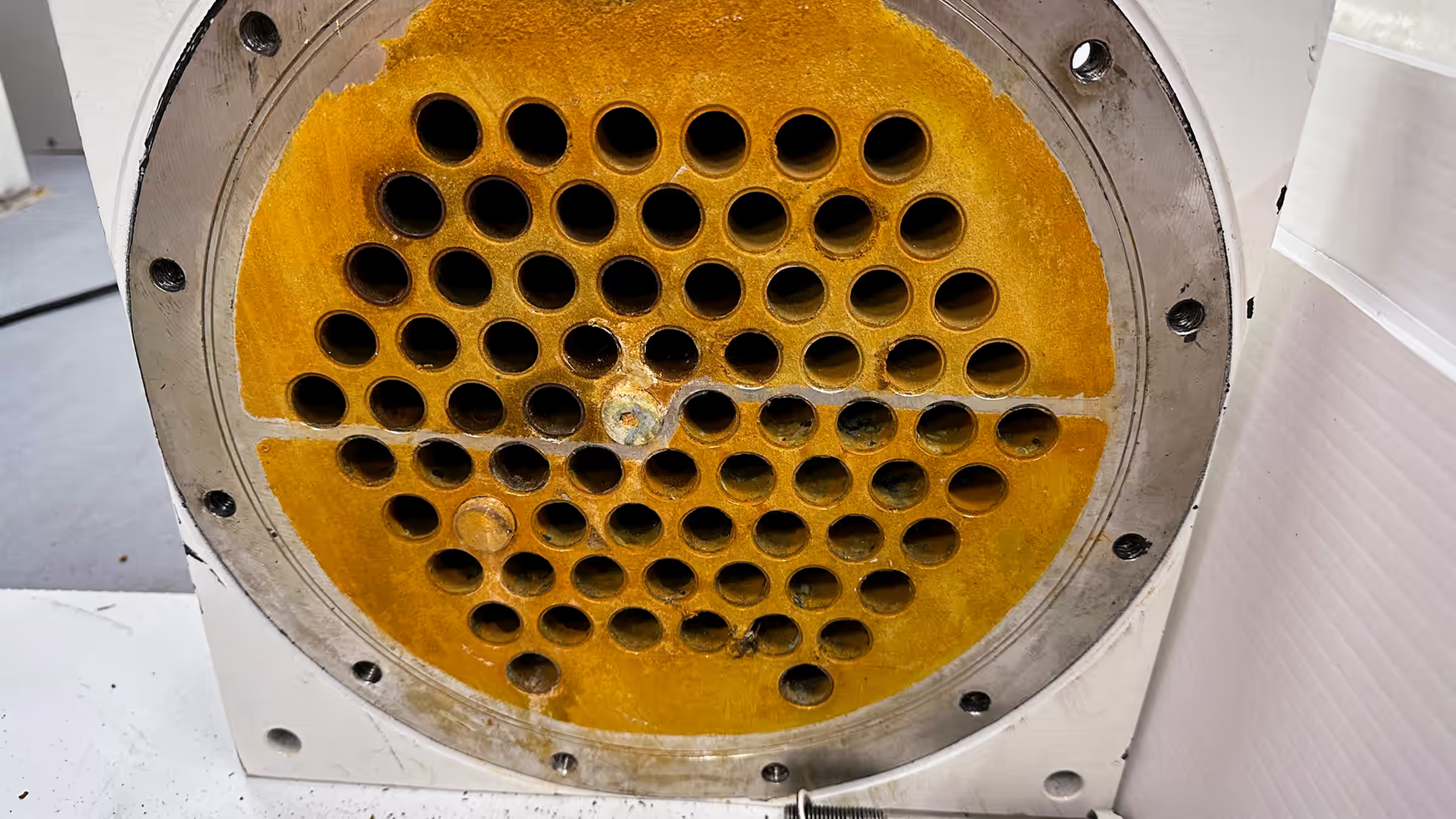
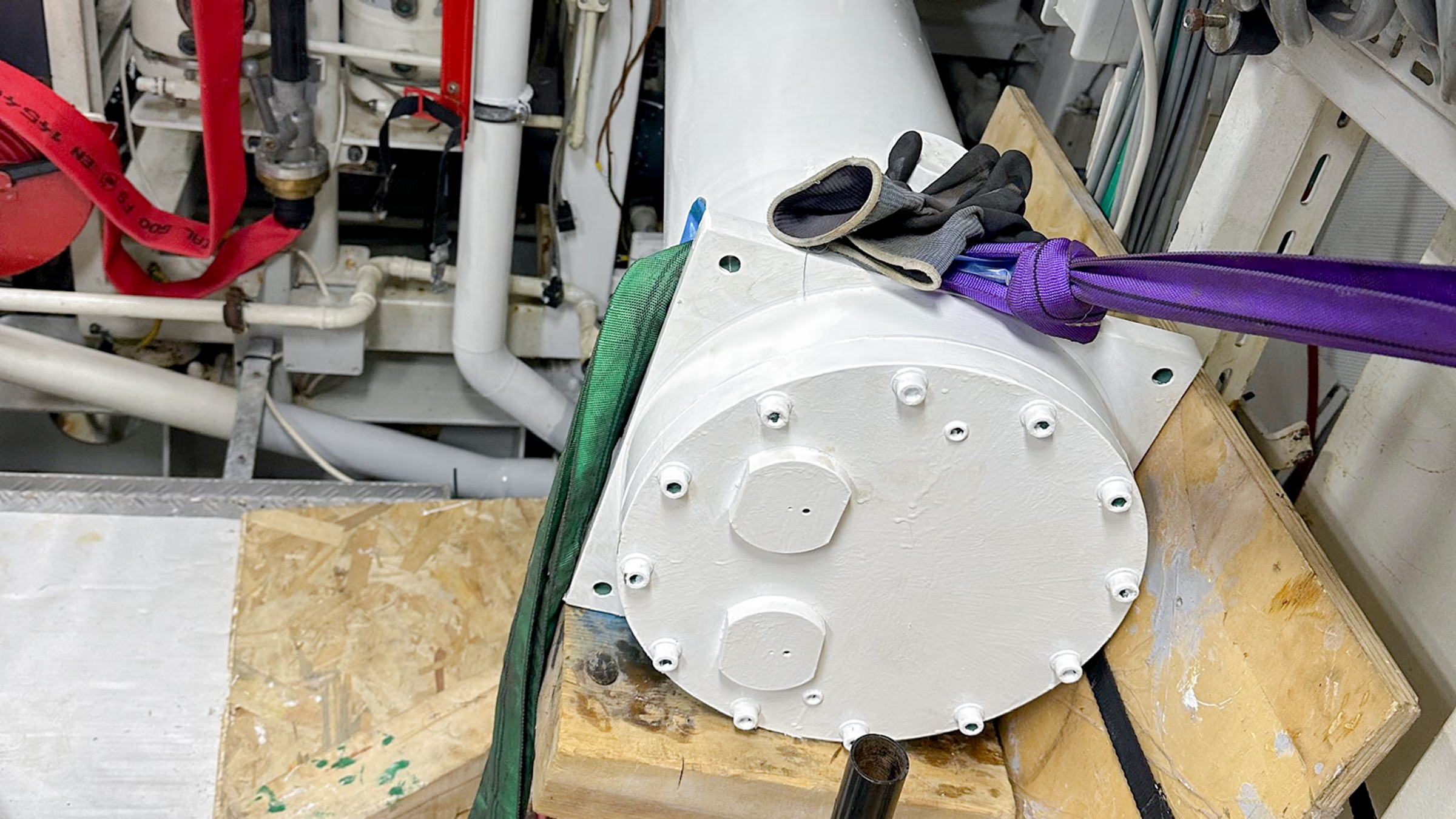
We deliberately include these peripheral components in our diagnostic evaluations and system assessments. Inadequate flow rates, fouled heat exchangers, hydraulic imbalances, or incorrect control settings can significantly impair total system performance—even when the chiller itself appears to be running flawlessly.
Troubleshooting Focused
on the Root Cause
Troubleshooting Focused on the Root Cause
During complex malfunctions, resetting an error code or replacing a single component is rarely enough. The key is understanding why a system deviates from its design parameters. To do this, we analyze operating data, temperatures, pressures, flow rates, and the holistic interaction between all connected components.
This results in diagnostics that never remain superficial. That level of rigor is vital for industrial operations where unplanned downtime, temperature fluctuations, or continuous inefficiency directly threaten processes and product quality.
Selected Work & Projects
Selected Work
& Projects
Refrigeration and air conditioning where reliability is critical.
Refrigeration and air conditioning
where reliability is critical.